


Protective cartilage therapy | Protective joint therapy in Berlin-Frohnau
Joint cartilage therapy for osteoarthritis
Joint cartilage therapy offers an innovative way to treat the symptoms of osteoarthritis. Injections of viscous, natural substances such as Synocrom into the knee joint protect the cartilage tissue and supply it with important nutrients.
This modern method forms a lubricating film on the joint cartilage, which reduces friction and improves mobility. The treatment often leads to rapid pain relief and supports the long-term functionality of the joint.
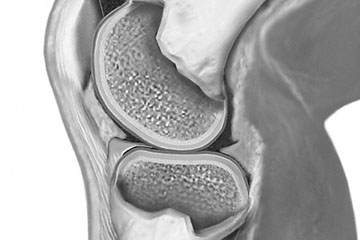
Advantages of the method
The articular cartilage protection therapy is based on a biological therapeutic principle that improves the buffer and lubricating function of the articular cartilage. The targeted supply of biological building blocks of the cartilage ground substance directly addresses the cause of cartilage damage and the development of osteoarthritis. This is currently considered to be the most effective therapeutic option, directly promoting the regeneration and protection of cartilage.
Why is joint cartilage so important?
All joint surfaces are covered by a protective layer of cartilage. This cartilage performs two essential functions:
- Protecting the underlying bone from mechanical overload through its shock-absorbing properties.
- Reducing friction to allow smooth movement.
- Consequences of cartilage damage
- Damage to the cartilage surface leads to progressive abrasion, which in the long term impairs the protective function. Without timely treatment, this can ultimately lead to complete destruction of the joint (osteoarthritis).
The method offers a sustainable solution for restoring and maintaining joint function.
Healthy joints – the key is in the cartilage
The functionality and resilience of a joint are directly dependent on the health of its cartilage. Thanks to modern treatment methods, wear-related complaints, especially in large joints such as the hip, knee or ankle, can now be treated much more effectively. These advances are based on new molecular biological findings and innovative biotechnologies.
Hyaluronic acid – a natural building block for healthy joints
Hyaluronic acid is an essential component of the cartilage matrix. Together with collagen fibers, it ensures the strength, elasticity and low frictional resistance of cartilage.
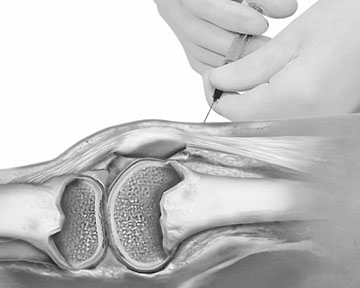
- Incorporation into the cartilage: Hyaluronic acid molecules bind water, which improves the water content and the viscoelastic properties of the cartilage.
- Stabilization and protection: The cartilage is stabilized, the progressive degradation is inhibited and the frictional resistance in the joint is reduced.
Therapy with hyaluronic acid injections
Hyaluronic acid preparations such as Synocrom can be injected directly into the damaged joint to support cartilage function and alleviate symptoms.
- How it is used: After disinfecting the skin and applying a local anesthetic if necessary, the injection is administered, sometimes under ultrasound guidance to ensure precise needle placement.
- Duration of therapy: Five to ten injections are usually necessary for effective treatment.
This gentle and targeted therapy improves joint function, relieves pain and delays the progression of the disease – an effective way to support your joint health.