


Chirotherapy | Chiropractor Berlin-Frohnau
Chirotherapy, a proven manual technique from naturopathy, has a tradition going back thousands of years and is used particularly for painful blockages of the spine. With gentle treatment methods, disturbed joint functions can be specifically and effectively restored.
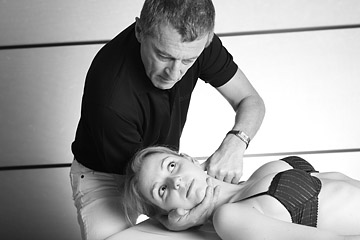
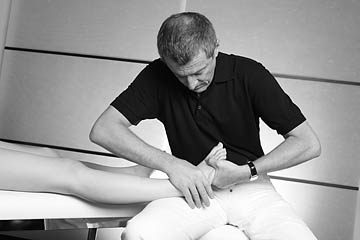
Manual therapy is a treatment in the truest sense of the word. Certain hand techniques are used to treat functional disorders of the spine and joints caused by blockages. A manual therapist has acquired this additional qualification through appropriate further training and examinations.
Indications:
The spine is made up of 7 neck vertebrae, 12 thoracic vertebrae, 5 lumbar vertebrae, the sacrum and the coccyx.
Blockages often occur in the smaller vertebral joints and can lead to pain and discomfort over time. However, not only the spine, but also all other joints can be affected by blockages.
Often, such blockages remain undetected for a long time – sometimes even since early childhood. Their cause is often not recognised, as they can usually only be diagnosed by specialised chirotherapeutic examinations.
The development of blockages can have a variety of causes, including one-sided strain, poor posture, falls or even internal illnesses.
Procedure/Treatment:
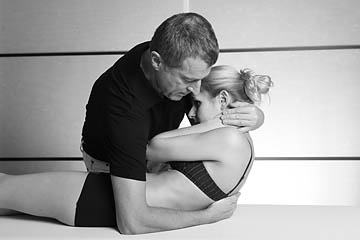
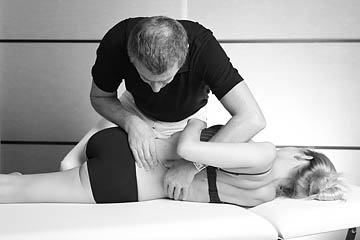
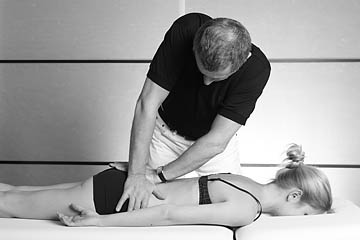
Treatment in chirotherapy is carried out in several clearly structured stages:
- Positioning
- The patient is placed in a relaxed position that allows targeted treatment.
- Contact
- The therapist makes contact with the blocked area of the spine or the affected joint using their hands. This creates a targeted state of tension to localise and prepare for the blockage.
- Trial pull
- Before the actual treatment step, the therapist performs a test pull to determine the correct direction for releasing the blockage.
- Impulse
- Finally, a minimal, rapid impulse is applied, which, like a precise ‘dot on the i’, concludes the preparatory measures. This impulse may – but does not have to – be accompanied by an audible crack.
Each of these steps is carefully and individually tailored to the patient to ensure safe and effective treatment.
The German Association for Chirotherapy (DGCh) has published a list of symptoms that may indicate spinal blockages as a possible cause:
- spinning sensation and dizziness
- sudden hearing loss
- lump in the throat
- headache
- sore throat and hoarse voice (dysphonia)
- visual disturbances
- Pain radiating into the individual trigeminal nerve branches in the face
- Concentration disorders with impairment of the middle-term memory and rapid fatigue
- Sleep disorders that can significantly impair quality of life
- Heart complaints that may be functionally conditioned
- referred pain in the shoulder, such as tennis or golf elbow (epicondylopathy), often alone or in combination with blockages in the elbow joint
- psychological changes, especially secondary depression and irritability
On the part of the thoracic spine:
- shoulder pain
- upper abdominal pain
- pain on one or both sides between the ribs (intercostal neuralgia)
- heart problems
- breathing problems (asthmatics)
- stomach and digestion problems
lumbar spine and sacrum:
- pain in the kidney area
- bowel cramps, abdominal problems in women
- prostate problems
- so-called ‘groin strain’
- hip problems
- Pain in the back of the thigh
- Unclear leg or knee complaints
- Foot complaints, especially heel pain
Further measures
After successfully removing blockages, it is important to take further treatment measures to ensure long-term stability and avoid relapses:
- Physiotherapy: Special exercises promote mobility, improve movement sequences and strengthen specific muscles.
- Active participation in sports: Regular exercise helps to build strong muscles, which play a crucial role in stabilising, supporting and relieving the spine.
A combination of targeted physiotherapy and individually adapted training is the key to sustainably securing the treatment results achieved.